Halloween Coloring Page for Kids 3: A Designer’s Real-Project Review
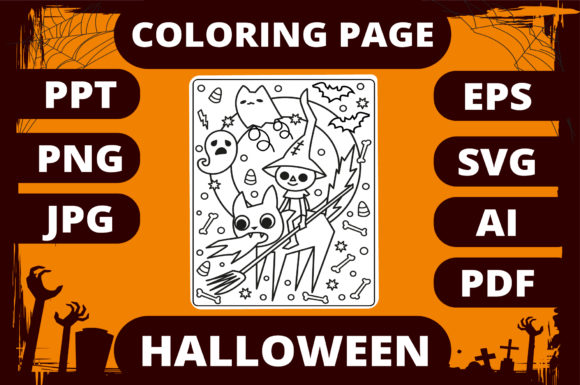
Whenever a new season rolls in, my first instinct as an embroidery designer is to scout for designs that translate well from screen to stitch. I’m looking at Halloween Coloring Page for Kids 3 not just as a digital file, but as a potential asset for my client projects and shop merchandise. The immediate impression is one of playful charm. This isn’t a spooky or intense Halloween theme; it’s cute and approachable, which sets a specific mood. That’s a crucial first filter for me: what emotional tone does this design create for the finished product?
The Mood It Creates and Where It Belongs
The layout and detail level here suggest a friendly, kid-centric Halloween. The shapes are likely simple and bold—perfect for embroidery where overly intricate lines can become lost in stitch translation. This visual personality feels ideal for projects meant for children, families, or anyone who prefers a lighter holiday touch. In my mind, I’m already picturing it on a baby’s cozy blanket, a child’s sweatshirt, or as a festive patch on a tote bag for a Halloween-themed market stall. It naturally belongs to the world of personalized gifts and small shop products where warmth and craftsmanship matter.
Performance in Real Embroidery Situations
Let’s walk through a typical scenario. I’m preparing a custom embroidered tote bag for a local boutique’s holiday collection. Using Halloween Coloring Page for Kids 3 as an embroidery design means considering how it will look after stitching. On a sturdy canvas tote, the design’s likely larger elements should hold up well with a solid fill stitch. I’d envision it on a pillow cover for a seasonal home decor item or a kitchen towel for a handmade holiday gift. For apparel decorators, this could be a sweet addition to a child’s t-shirt or a lightweight sweatshirt, provided the stitch density is managed for comfort.
For craft business items like patches or caps, the design’s clarity is paramount. If the design has smaller decorative accents, I’d need to test their stitch integrity on a curved surface like a cap. The key is how the embroidered version retains its cute and adorable character, enhancing the product value and customer trust in the handmade presentation. For Etsy sellers and digital product sellers, this file could serve as a base for printable mockups or as a commercial embroidery project asset, but its true test is in the physical stitch.
Where This Design Requires Careful Consideration
Not every design is a universal fit. With Halloween Coloring Page for Kids 3, I would be cautious on several fronts. If the design contains very detailed corners or tiny elements, they might not render cleanly on textured fabrics like some fleeces or on thin, stretchy fabric without proper stabilizer. Dark fabric backgrounds demand thoughtful thread color contrast planning—a white or light-colored fill stitch might pop beautifully, but I’d need to check that first.
Small hoop sizes could be a limitation if the design is intended for the full 8.5 x 11 inch area. I’d potentially adapt sections for smaller projects like a baby item or an apron pocket. Products that need frequent washing, like baby clothes or kitchen towels, require a robust stitch structure to ensure longevity. Dense stitch areas, if present, could make a garment stiff, so reviewing the actual embroidery file’s stitch density before committing to a client’s premium sweatshirt is a non-negotiable step for me.
Impact on Appeal, Trust, and Business
From a professional standpoint, how a design stitches out directly affects visual appeal and buyer engagement. A clean, well-executed embroidery of this Halloween theme on a product elevates its giftability and brand consistency for a creative entrepreneur. It feels recognizable yet unique, supporting a boutique’s professional image. For commercial embroidery projects, a design that stitches reliably means happier customers and smoother production runs. It’s this practical performance that builds recognition and turns a digital graphic into a viable craft business asset.
Essential Designer Notes Before You Stitch
My process always includes these realistic checks. First, test the design on scrap fabric that matches your final product material. This reveals how the satin stitches or fill stitches behave. Check thread color contrast against both light and dark fabric backgrounds; sometimes a design looks great in a digital preview but needs adjustment in real thread. Review the actual stitch density in your software—does it suit your fabric type?
Confirm the hoop size needed for your intended project. Inspect any small details in the file to see if they’ll survive the embroidery process. I often test a design in black and white mockups to judge its form without color influence. Always use the proper stabilizer for your specific application—this is a cornerstone of quality embroidery. Crucially, check whether the design’s licensing clearly allows for both personal and commercial projects before selling finished items or incorporating it into your digital product listings. The product description mentions it’s a graphics file, but the specifics are key. If exact stitch counts, file formats, or license terms aren’t provided, my strong advice is to seek that information before use.
In closing, Halloween Coloring Page for Kids 3 presents a charming, market-friendly Halloween motif. Its potential in the hands of an embroidery designer is significant for holiday gifts, custom apparel, and small shop merchandise. But its success hinges on that practical, stitch-by-stitch evaluation. By approaching it with a designer’s eye for real-world application, you can transform this cute coloring page into an embroidered product that delights your customers and strengthens your craft.