Spooky Girl Embroidery: A Designer’s Practical Review
When a new embroidery file lands in my library, I don’t just look at it on a screen. I think about how it will live on fabric. Today, I’m considering the Spooky Girl Coloring Book Page design, not as a digital graphic, but as a potential asset for real client work and my own handmade products.
The Immediate Mood & Design Personality
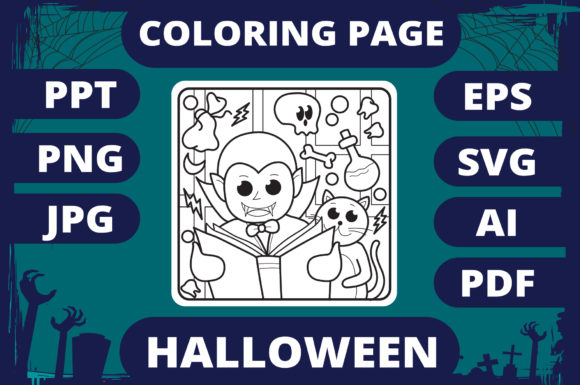
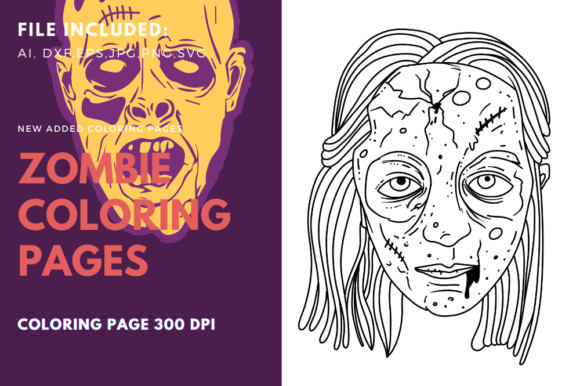
The first impression is key. This design creates a distinct, playful, and slightly eerie mood. It’s not overtly scary, but has that charming, cartoonish spookiness perfect for Halloween projects or anyone who loves a touch of quirky character. The shape and layout feel like a classic coloring page: clean outlines, well-defined sections, and a central character with personality. For an embroidery designer, that’s promising. It suggests the lines are clear enough to translate into stitch paths without becoming a muddled mess.
The detail level is moderate—not overly dense with tiny intricacies, but not simplistic either. This visual personality feels versatile. It could appeal to a teenager on a hoodie, a child on a trick-or-treat bag, or an adult who appreciates whimsical decor on a kitchen towel or pillow cover. I’m already imagining it stitched on a deep purple sweatshirt with bright orange and green thread accents.
Real-Life Embroidery Scenarios: Where It Excels
Let’s walk through some concrete projects. Picture preparing a custom embroidered tote bag for a boutique. The Spooky Girl Coloring Book Page design, with its strong outlines, would allow for crisp satin stitch borders and fill stitch areas for her dress or hair. On a baby item, like a little blanket for a Halloween-born infant, scaled appropriately, it becomes a gentle, decorative motif—though I’d avoid very small hoop sizes here to keep the features recognizable.
For patches, this design is a strong contender. The clear shapes make it ideal for an embroidered patch applied to a backpack or apron. For holiday gifts, think beyond Halloween. A framed, embroidered pillow cover with this Spooky Girl could be a year-round delight for a fan of the theme. As an Etsy seller or creative entrepreneur, this file offers a ready-made design asset for creating a line of seasonal merchandise, from tea towels to cap designs.
In commercial embroidery or for small business products, its appeal is in its niche specificity. It wouldn’t be a generic logo, but a perfect decoration for a limited-edition product line, helping build brand consistency for a shop specializing in quirky, handmade gifts.
Where to Exercise Caution in Application
No design is universally perfect. Here’s where I’d be careful. On very textured fabrics, like some terry cloth or thick wool, the finer details might lose clarity. On stretchy fabric, proper stabilizer is non-negotiable to prevent distortion of those clean lines. Dark fabric backgrounds require thoughtful thread color choice for contrast—a pale grey or white fill stitch might not pop on black unless planned carefully.
Curved surfaces like caps can be tricky. The design’s layout might need slight adjustment or repositioning to fit the crown area without awkward cropping. Also, if any areas are particularly dense with stitch fills, on thin fabrics like a standard t-shirt, you risk a stiff, bulky feel. Always test on scrap fabric first. And for products needing frequent washing, like apparel, ensure your stitch density and thread choices are robust.
Impact on Customer Perception & Product Value
How a design stitches out directly affects customer trust and perceived value. A clean, well-executed embroidery of this Spooky Girl on a tote bag or sweatshirt conveys professionalism. It shows care in selection and execution. The handmade presentation feels intentional and skillful, not haphazard.
For giftability, this design scores well. It’s recognizable, engaging, and has a story—it’s not just a random shape. That boosts buyer engagement in an Etsy listing or at a craft fair. People connect with character-driven designs. It can turn a simple embroidered pillow into a conversation piece, adding to its value.
Practical Notes from the Embroidery Workshop
Before I commit this to a client’s project or my shop inventory, here’s my checklist. I’ll run a test on both a light and dark scrap of my typical fabric—maybe cotton canvas for bags and jersey for apparel. I’ll review the stitch density in my software, looking for any areas that might need manual adjustment to prevent puckering.
I’ll check thread color contrast thoroughly. A design like this often benefits from a pop of unexpected color—maybe a bright purple instead of a traditional black for the outline. I’ll inspect the small details, like facial features, to ensure they’ll be clear at my intended hoop size. Creating a simple black and white mockup can help visualize the final form without color distractions.
Crucially, I’ll confirm the licensing for this digital embroidery file. The product category suggests it’s part of Coloring Pages Amp Graphics. I need to understand if it’s cleared for commercial use, for selling the finished embroidered products, or if it’s for personal projects only. That step is non-negotiable for any craft business use.
The Final Verdict for Makers
The Spooky Girl Coloring Book Page design, from an embroidery designer’s perspective, is a versatile and characterful starting point. It belongs on projects where a touch of playful, spooky personality is desired. It would shine on a custom tote bag, a seasonal sweatshirt, a decorative pillow, or as a standalone patch.
Its success hinges on practical preparation: testing, adjusting for fabric and scale, and choosing threads that enhance its mood. For apparel decorators, digital product sellers creating mockups, and makers building a holiday product line, it’s a solid design asset. Approach it with a thoughtful, technical eye, and it can become a charming and profitable part of your embroidery project repertoire.